Water Safety Basics
CoastRoam / Water Safety Guide
Water Safety Basics
A calm day on the water starts before launch. Prepare for the conditions, use suitable flotation, understand your limits and keep safety decisions simple from shore to open water.
Safety First
Match your preparation to the activity, location, weather, water conditions and the people joining you.
Prepared for the water
Good decisions begin on shore.
Whether you are paddling, swimming, snorkeling, surfing or spending time near the shoreline, basic preparation can reduce avoidable risk. Think about flotation, conditions, communication and personal ability before entering the water.
Four starting points
Check before you enter.
Build a repeatable routine before every paddle, swim or coastal outing rather than relying on conditions to stay predictable.
01 / FLOTATION
Use suitable flotation.
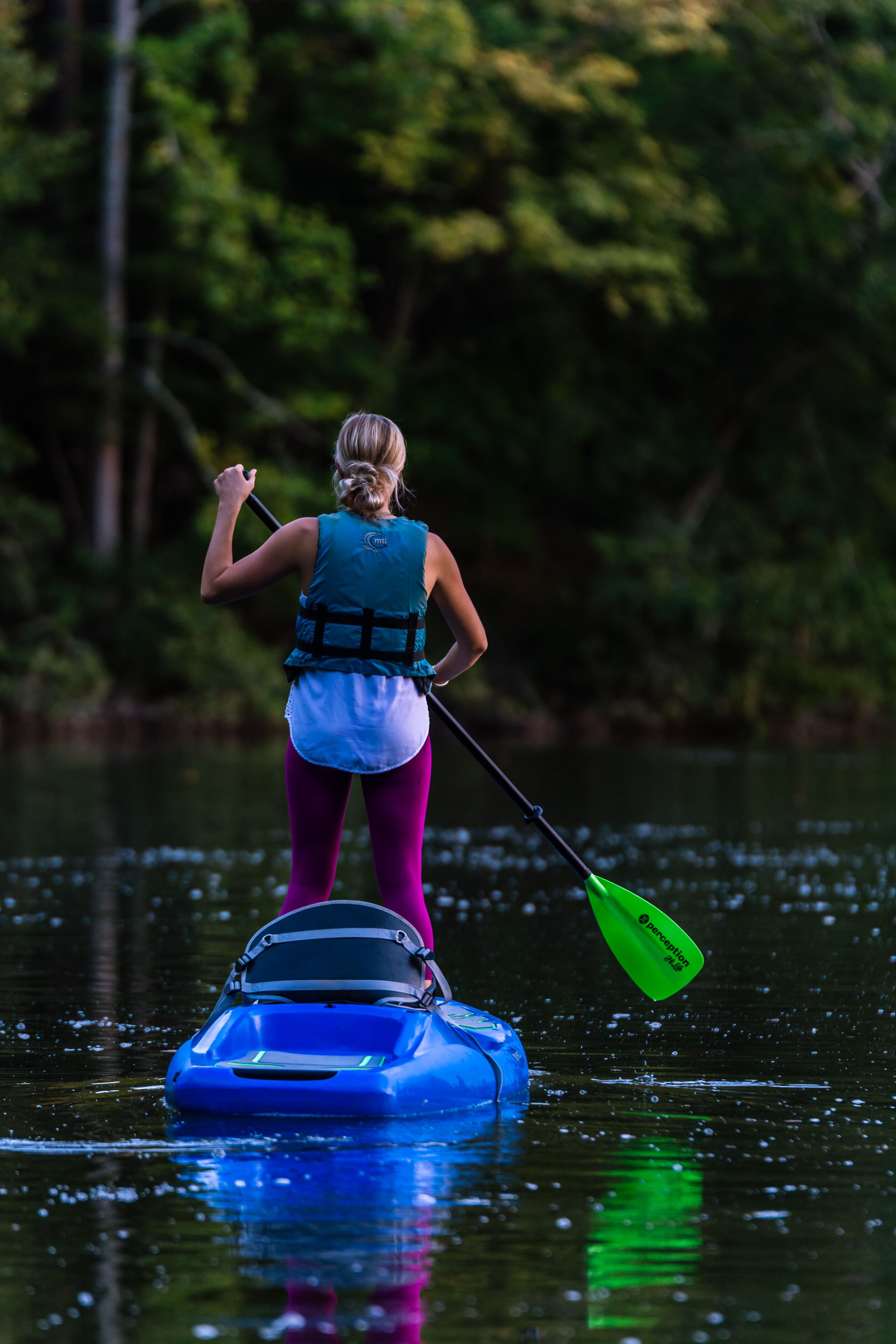
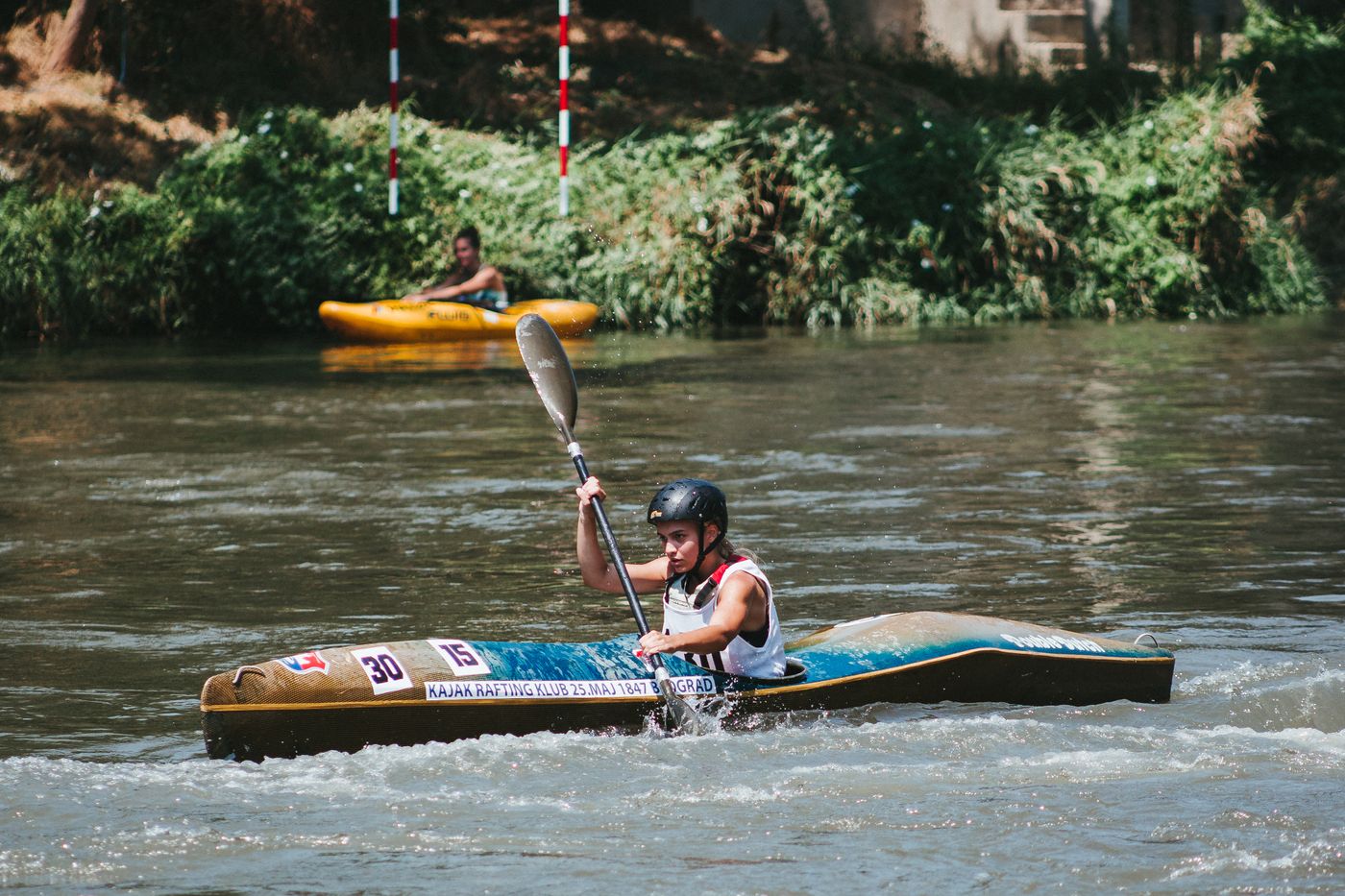
Wear a properly fitted personal flotation device when appropriate for your activity, and follow applicable local requirements and the manufacturer's instructions for fit and use.
02 / CONDITIONS
Read the environment.
Review weather, wind, waves, currents, tides and visibility before entering the water. Conditions can change during an outing, so keep reassessing as you go.
03 / COMMUNICATION
Share your plan.
Let someone know where you intend to go, who is with you and when you expect to return. Keep an appropriate way to call for help protected from water.
04 / ABILITY
Stay within your limits.
Choose water, distance and conditions that match your experience. Turn back early when conditions or fatigue make the outing less comfortable or predictable.
Before launch
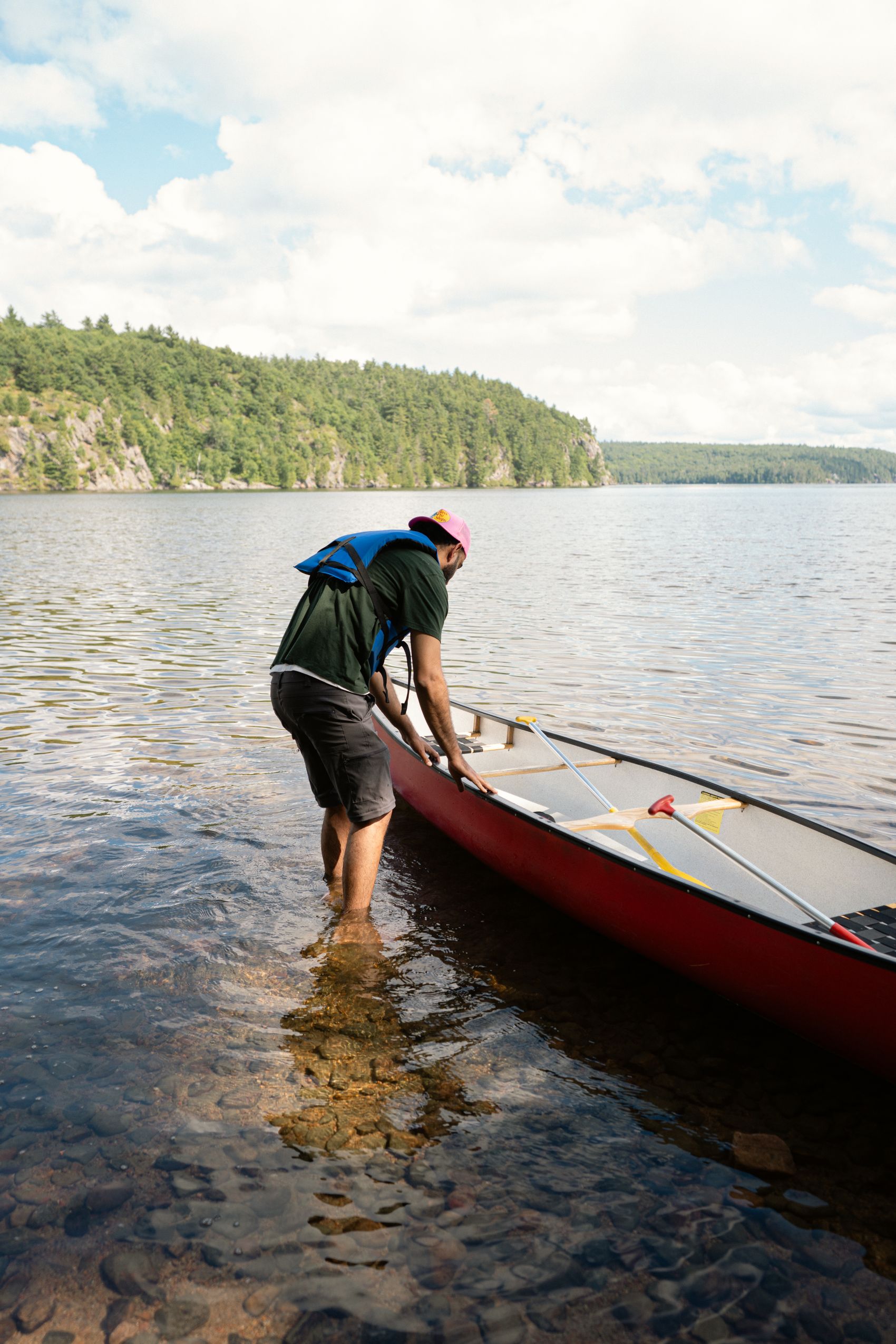
Make preparation part of the activity.
A few checks before leaving shore are easier than solving the same problems once you are already on the water.
On the water
Keep safety active, not assumed.
Conditions, energy and distance change throughout an outing. Keep noticing what is happening around you instead of treating the launch conditions as fixed.
Awareness
Watch wind and water.
Pay attention to changing wind direction, wave activity, current, visibility and boat traffic. Small changes can make the return trip more demanding.
Reassess throughout the outing.
Distance
Leave energy for the return.
Do not use all of your effort moving away from shore or the launch point. Consider how wind, current and fatigue may affect the journey back.
Turn around before you need to.
Company
Stay connected to your group.
Keep track of the people with you and avoid creating large gaps that make communication or assistance difficult.
Adjust the pace to the group.
Temperature
Respect cold water.
Cold water can quickly affect breathing, movement and decision making. Use clothing and equipment appropriate for the conditions and limit exposure when needed.
Water temperature matters, not only air temperature.
Judgment
Avoid impaired decisions.
Activities around water require balance, awareness and judgment. Avoid anything that reduces your ability to respond clearly to changing conditions.
Clear decisions support safer recreation.
Boundaries
Follow local warnings.
Respect posted restrictions, designated swimming or boating areas, local instructions and temporary closures at the place you are visiting.
Local conditions take priority.
Safety in context
Preparation should match the day.
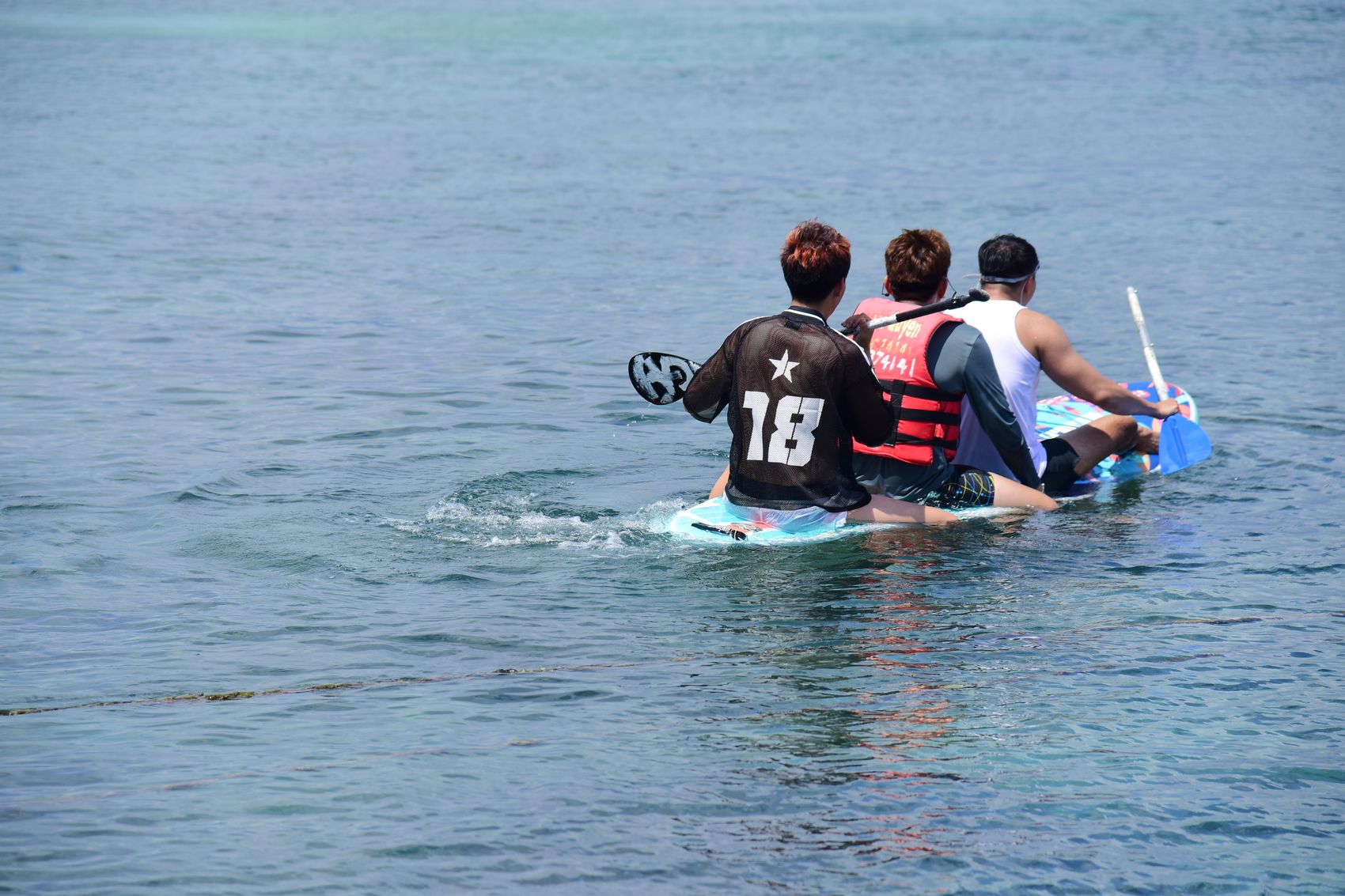
Paddling near shore, crossing open water and taking children onto the water can all require different levels of preparation.
Family water recreation
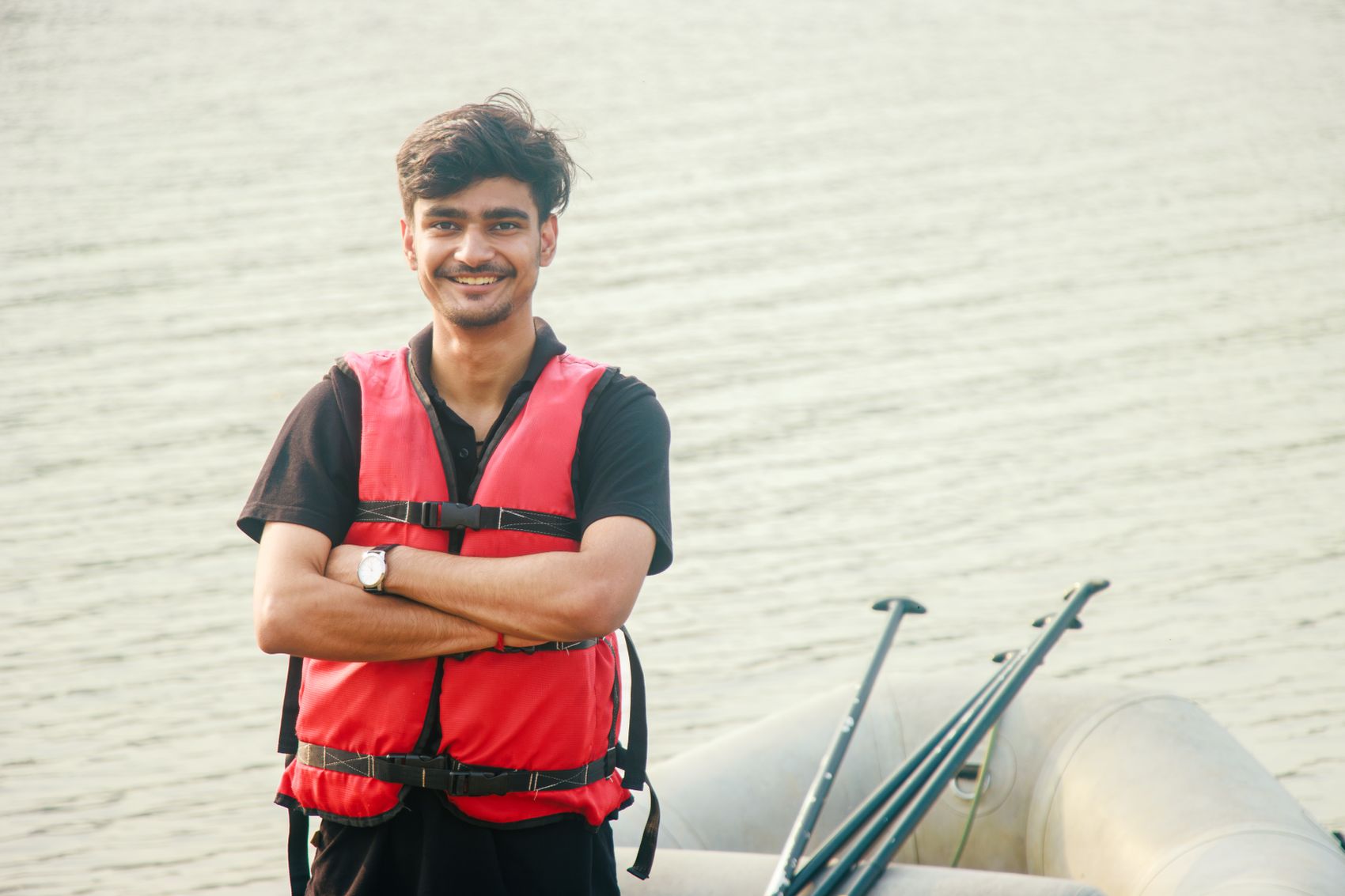
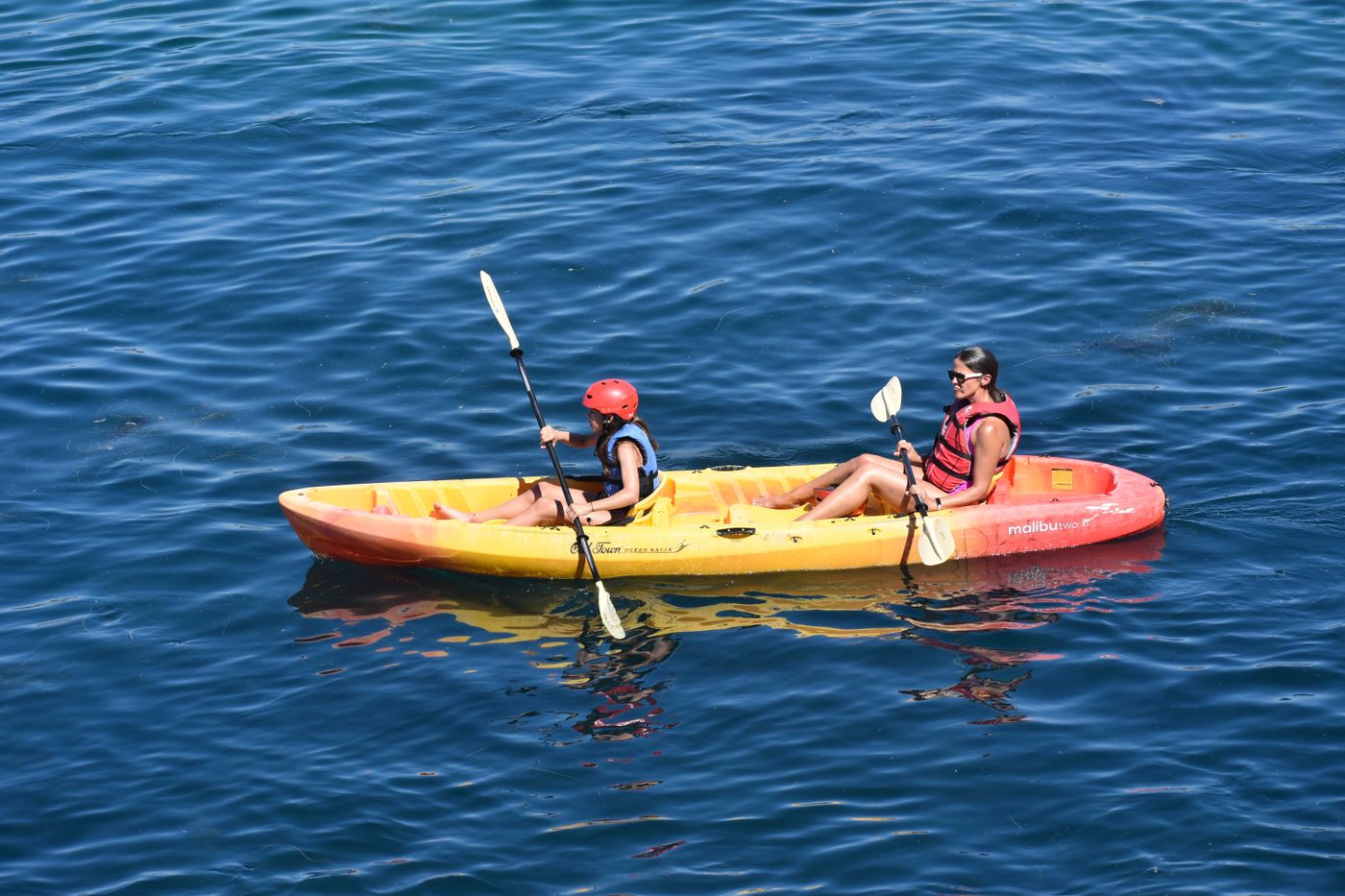
Close supervision stays essential.
Children and less experienced participants need active supervision around water. Equipment can support safety, but it does not replace attentive adults, appropriate instruction or sound decisions.
Emergency mindset
Keep the response simple and safe.
If something goes wrong, focus first on staying afloat, attracting attention and contacting appropriate emergency help. Avoid creating another person in danger while trying to assist.
Before an emergency
Know how you would get help.
Emergency preparation should be specific to the water and location. Before setting out, understand how local emergency assistance is accessed and keep important communication equipment usable.
Water safety questions
A few basics worth knowing.
Use these answers as general reminders, then check the rules, conditions and instructions that apply to your specific activity and location.
Should I wear a personal flotation device while paddling?
What conditions should I check before going on the water?
Is calm-looking water always safe?
What should I do if conditions become worse while I am out?
Does safety equipment replace swimming ability or supervision?
Where should I look for product-specific safety information?
CoastRoam water recreation
Prepare well. Enjoy the water with more awareness.
Explore CoastRoam gear for paddling, swimming, beach recreation and practical days outdoors, with preparation and appropriate use always part of the plan.